
Tasha King-Davis, environmental compliance and permits head at the Memphis, Tenn., division of public works, has become a believer—an evangelical even—in the power of data.
As the administrator of the nation’s 14th-largest industrial wastewater discharge monitoring system, she and her staff of 13 can only physically sample the discharges from each of Memphis’ 104 industrial sites about twice a year.
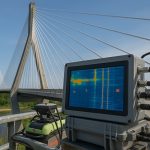
But a year ago, Brown and Caldwell started installing sensors on the outfalls of some of those plants and now, King-Davis can check what those plants are putting into the wastewater stream 24 hours a day, seven days a week—from her phone. She can even set up alerts through Microsoft Power BI so she’s notified if any of them exceed permissible limits.
“It’s an amazing tool that I wish we knew about years ago,” she says. “You can’t hire enough people to go to 104 industries and pull that data continuously every day. The fact that we can use tech, use data and actually help improve our department and become best in the industry—that means a lot to me. It’s my passion.”
The pilot test in Memphis is just one small example of the potential of “digital water” or the “internet of water” that is gaining acceptance in an industry that has historically been slow to embrace change.
READ MORE



Recent Comments