
Brief
Researchers from the University of South Australia and RMIT University say they have demonstrated the economic viability of waste tire-based crumb rubber concrete in a real-world, residential construction setting. Contractors that participated in the project reported “no difference between using the crumb rubber concrete and conventional concrete” with regard to screeding, pumping and finishing, claiming “the crumb rubber mix actually required less physical effort across all aspects,” said researcher Osama Youssf.
Insight
A unique method of recycling rubber could result in end-of-life tires being repurposed into concrete for residential buildings. Made possible by a team of researchers from the University of South Australia (UniSA), the research demonstrates that it can offer a cost-effective, feasible and sustainable substitute for traditional concrete.
Collaborating with RMIT University, the scientists showed that crumb rubber concrete is a safe, eco-friendly substitute for residential construction in Australia, establishing a much-desired commercial space for end-of-life tires.
Lead scientist, UniSA’s Professor Julie Mills, states that this study is the first to practically show and create the new crumb rubber concrete mix in the real world, basically transferring their efforts from lab to slab.
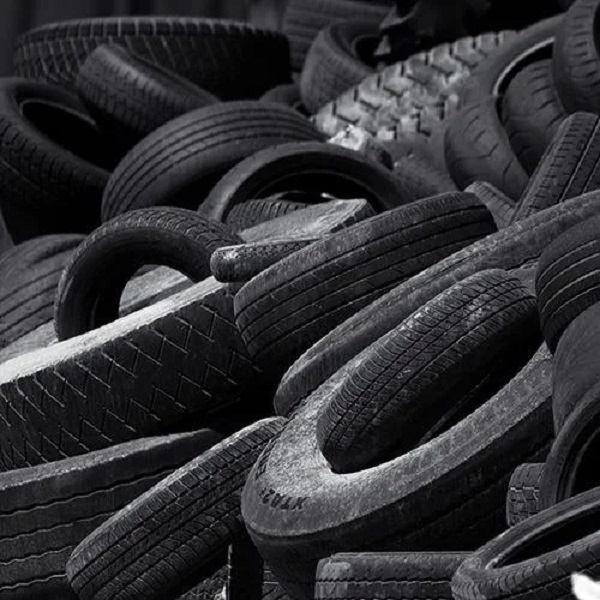
Internationally, about 1.5 billion vehicle tires are thrown away per annum. Less than 1% of these tires are reused, with the others being thrown in landfills or unaccounted for. In Australia, around 51 million tires wind up in stockpiles, landfills or discarded in mine locations.
By repurposing end-of-life tires in concrete, critical natural resources can be preserved, and the existing tire landfill issue can be partly resolved.Dr. Osama Youssf, co-researcher states that the buildup of end-of-life tires is a worldwide and constantly increasing issue for the environment everywhere.
READ MORE


Recent Comments