
Brief
Expert analysis of wind damage to roof tiles, uplift forces and pressure zones based on engineering principles and modern design standards.
Insight
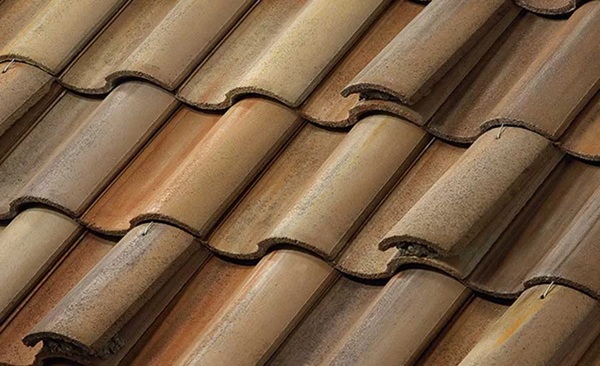
Wind damage to roof tiles is frequently misunderstood, particularly when claims are made following moderate storm events. A sound technical assessment requires an understanding of airflow behaviour, pressure distribution, structural mechanics and recognised design standards.
Buildings act as obstacles to wind currents, altering airflow direction and creating areas of positive and negative pressure. In general, inward-acting pressure develops on windward surfaces, while outward suction forces act across other surfaces. The most critical zones are sharp discontinuities such as roof corners, ridges, hips, eaves and gable edges. In these areas, airflow separates and generates elevated suction forces, making them the most vulnerable locations for initial roof tile damage.
Engineering standards such as ASCE 7 provide structured guidance for evaluating wind pressures on components and cladding. Concrete roof tiles must be assessed within defined pressure zones, particularly at edges and corners where uplift forces are significantly higher than across the main roof field. Building codes recognise this behaviour and require enhanced fixing methods in these zones, often through mechanical anchorage or increased fastening density.
Wind damage to roof tiles generally occurs through two mechanisms: uplift forces overcoming securement, or impact from wind-borne debris. Uplift-related displacement typically begins at hips and ridges before progressing inward. Randomised shattered tiles with spider-web cracking patterns are more indicative of debris impact rather than pressure-induced uplift.
A common misconception is that low wind speeds cause field tile displacement. Concrete tiles are tested extensively under controlled conditions, and uplift sufficient to dislodge properly installed field tiles generally requires wind speeds approaching or exceeding 100 mph. Below these thresholds, movement is unlikely unless tiles were already loose or improperly bonded.
Evaluation must also consider moment calculations. Even if uplift pressure exceeds tile weight, rotation will not occur unless the uplift moment exceeds the restoring gravity moment. Importantly, rain absorption increases tile mass, enhancing resistance during storm events. This additional weight improves the restoring moment and reduces the likelihood of movement.
Chipped corners, point loading fractures and linear cracks are often unrelated to wind. They may result from tight installation without adequate shunt spacing, thermal movement, foot traffic or debris within interlocks. These conditions differ significantly from genuine wind damage to roof tiles.
A professional assessment should follow recognised engineering methodology, incorporate pressure zone analysis and rely on documented calculations. Ultimately, credible conclusions require alignment with established testing standards, design pressures and observable displacement patterns. Unsupported claims of roof tile damage at low wind speeds are not consistent with established engineering evidence.
Highlight
- The most critical zones are sharp discontinuities such as roof corners, ridges, hips, eaves and gable edges. In these areas, airflow separates and generates elevated suction forces, making them the most vulnerable locations for initial roof tile damage
- Concrete roof tiles must be assessed within defined pressure zones, particularly at edges and corners where uplift forces are significantly higher than across the main roof field.
- Conditions, and uplift sufficient to dislodge properly installed field tiles generally requires wind speeds approaching or exceeding 100 mph. Below these thresholds, movement is unlikely unless tiles were already loose or improperly bonded.
READ MORE
Related Questions:
- Can wind break roof tiles?
- What to do if roof tiles blown off in a storm?
- Can high winds cause roof damage?
Related Podcasts:



Recent Comments