
Brief
Expert guidance on assessing, designing and repairing fire-damaged concrete structures for safe and durable performance.
Insight
Fire exposure can significantly compromise the structural integrity, durability, and long-term performance of reinforced concrete elements. The assessment design and repair of fire damaged concrete structures is therefore a critical process that requires a systematic, evidence-based approach to ensure safety, serviceability, and compliance with engineering standards.
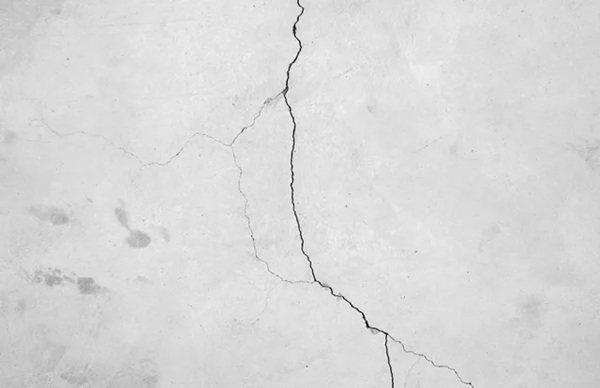
The first step in effective Concrete fire damage assessment is a thorough visual and technical inspection. Indicators such as surface cracking, spalling, discolouration, and loss of cover must be carefully evaluated. In structural elements, changes in material properties—including reduced compressive strength and altered bond behaviour between reinforcement and concrete—must also be considered. Where foundations are affected, Concrete fire foundation damage assessment becomes essential, as thermal exposure may compromise load-bearing capacity and soil–structure interaction.
Accurate diagnosis often requires a combination of non-destructive and laboratory testing. Methods such as rebound hammer testing, ultrasonic pulse velocity, and core sampling provide valuable data on residual strength and internal condition. These results form the basis for engineering judgement and repair strategy development.
Design considerations for repair must account for both structural and durability requirements. Engineers should evaluate whether partial repair, strengthening, or full replacement is necessary. Repair materials must be compatible with the existing substrate, ensuring adequate bond, thermal compatibility, and resistance to future deterioration. In many cases, protective coatings or fire-resistant systems are incorporated to enhance resilience against future fire events.
A structured approach to <a href=”#”>concrete durability assessment</a> ensures that long-term performance is not compromised. This includes addressing issues such as increased permeability, microcracking, and potential reinforcement corrosion following fire exposure.
Ultimately, successful rehabilitation depends on integrating inspection findings with robust engineering design. The process must prioritise safety, practicality, and cost-effectiveness while maintaining compliance with recognised standards. By adopting a systematic methodology, engineers can restore fire-damaged concrete structures to a condition that meets both structural and durability requirements.
Highlight
- ndicators such as surface cracking, spalling, discolouration, and loss of cover must be carefully evaluated. In structural elements, changes in material properties—including reduced compressive strength and altered bond behaviour between reinforcement and concrete—must also be considered.
- Methods such as rebound hammer testing, ultrasonic pulse velocity, and core sampling provide valuable data on residual strength and internal condition.
- Engineers should evaluate whether partial repair, strengthening, or full replacement is necessary. Repair materials must be compatible with the existing substrate, ensuring adequate bond, thermal compatibility, and resistance to future deterioration.
READ MORE
Related Questions:
- How do you assess fire damaged concrete?
- What is damage assessment of concrete structures?
- What does a fire damage assessment include?
- What does fire-damaged concrete look like?
Related Podcasts:
Fire Damage Assessment
Related Publications:


Recent Comments