
Brief
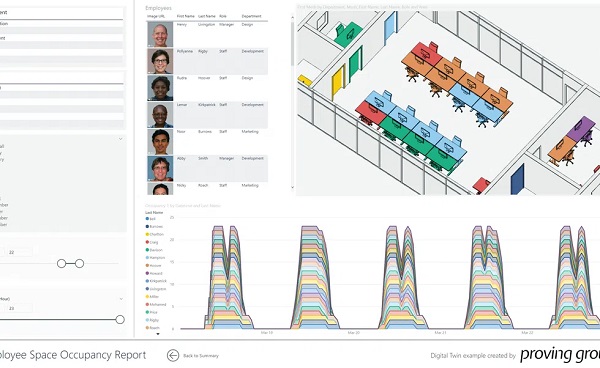
Daniel Davis, a senior researcher at Hassell, writes that architects can take a data-led approach by using BIM data and other data. “Firms need to begin actively gathering data, they need to address the cultural issues that make the industry unappealing to outsiders, and they need to be open to making decisions with information rather than intuition,” Davis writes.
Insight
Data is the language of modern business. It is so fundamental to the 21st century economy that some have called it the new oil – a crude by-product of our digital lives that is streaming through our internet routers, sloshing about in our smartphones, and fuelling the growth of the world’s largest companies.
All of this data has one crucial purpose: decision-making. Which news story should be shown first on the Facebook feed? Which investment strategy yields the best returns? What will happen to hospital capacity during the pandemic? These are all decisions that benefit from the empirical evidence that data offers.
Which makes you wonder: if data is crucial to modern business, where does this leave architecture firms?
Most architects don’t have a natural fondness for data. They’re moved by sketches, not statistics. They’re comfortable making decisions intuitively and often look incredulously at the spreadsheets that developers present. This isn’t to say that architecture firms don’t deal in data. They do: modelling data,
performance data, financial data … But the majority never bother to collect it, analyze it or incorporate it into their decision-making processes.The pressure for architects to adopt data-led approaches is gradually increasing. Clients have seen analytics transform other aspects of their business.
Developers are using data-driven tools like Archistar to more accurately assess the financial viability of sites. Real-estate agents are using data-driven marketing platforms to more effectively target potential owners and tenants. And operators are increasingly filling their buildings with sensors and IoT devices1 to better understand how their spaces are performing.
READ MORE



Recent Comments