
Brief
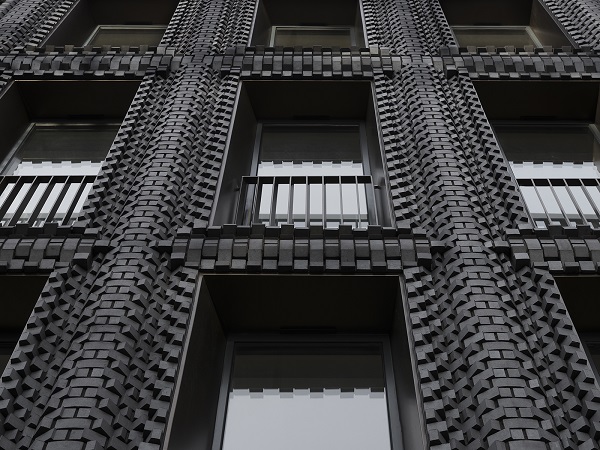
Used in architecture for thousands of years, brick is a building material that clearly has staying power. Offering warmth, texture, and remarkable design versatility, this naturally sustainable building material is being embraced by contemporary architects for its long list of benefits.
Insight
“Research has proven that clay’s natural density and thermal insulating qualities mean that full brick construction performs the best for thermal comfort and energy efficiency,” says Jon Clements, director and co-founder of Jackson Clements Burrows Architects (JCBA) in Australia. “Brick can be easily sourced locally, and it’s also low maintenance and weatherproof, so it has excellent longevity in architecture, an important consideration for sustainability.”
Thanks to its clay composition, brick is also easy to recycle and reuse; reduces noise pollution through its ability to absorb sound and vibration; and, without the need for harsh chemical treatments, offers healthy indoor air quality. “It also supports local industries and creates jobs, while offering a beautiful and durable material,” Clements adds.
And, while it may be an age-old building material, it offers the possibility of thoroughly modern design. “Brick has great technical qualities when it comes to external use, but it also creates an incredible textural atmosphere—with endless shapes, finishes, and colors—when used inside,” says Katerina Dionysopoulou, co-founder of London-based architectural practice Bureau de Change.
Here, we look at four sustainably built projects using brick to great effect.
Divided House, Victoria, Australia
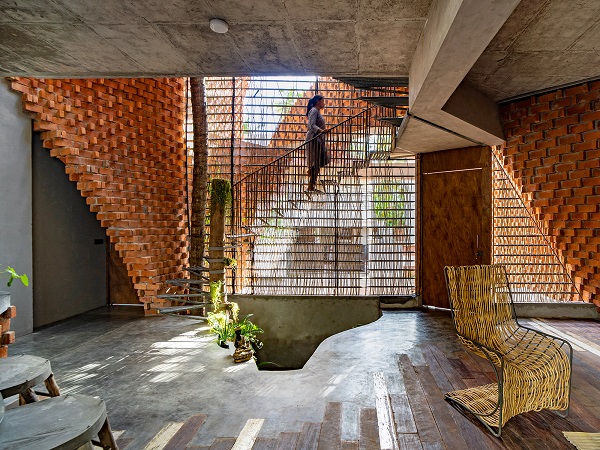
Shortlisted for the Australian National Architecture Awards and the Think Brick Awards, this house—comprising two brick volumes joined by a central, single-story lean-to—is the family home of JCBA’s Clements.
“Divided House was designed with a vision to demonstrate the inherent value and beauty of locally sourced sustainable materials,” he explains. “The result is a robust Australian building that will stand the test of time and minimize its environmental footprint through its longevity.”


Recent Comments