
Brief
Researchers at the University of Delaware analyzed the DNA of bacteria living in concrete structures in a study published by the American Society for Microbiology. Julie Maresca, associate professor of civil and environmental engineering, said the analysis could help bacteria repair concrete.
Insight
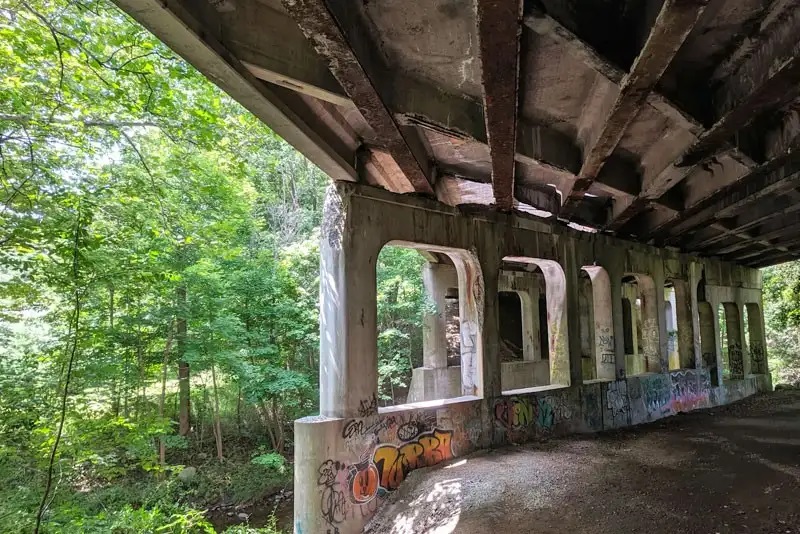
It’s a most unlikely habitat and really has no creature comforts to recommend it. But University of Delaware researcher Julie Maresca and students in her lab are studying concrete and the life that stubbornly persists within.
Yes, life happens in concrete, despite its hard, dry, salty environment and despite the typical pH of about 12.5, which makes it about as inviting as moving into a bottle of bleach or oven cleaner.Some hard-core bacteria — for example, Psychrobacter, which are found in Antarctic ice, among other challenging places — just won’t take “no” for an answer.
And because concrete is ubiquitous — the most common building material in the world — anyone concerned with the health of buildings, roads, bridges and other concrete structures should take note of these microbial masses.
In a new study published by the American Society for Microbiology, Maresca, associate professor of civil and environmental engineering, and her students demonstrate that even in a harsh concrete habitat, bacterial communities can survive, thrive and do what all living things do — change. Such change can have important implications for the degradation and potential repair of concrete structures.


Recent Comments