

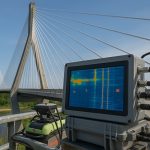
Western Engineering professor Ayan Sadhu is using a sensor monitoring technique to remotely collect big data in order to identify inherent structure damage in everything from vehicle/pedestrian bridges and dams to other large-scale structures, including new construction.
As Canada’s rapidly aging infrastructure continues to erode, often out of sight of those charged with overseeing it, maintenance budgets and residents from coast to coast to coast face a significant threat from the evitable fallout.“Most of Canada’s infrastructure, like bridges and dams, were built around the time of the Second World War.
They’re near the end of their life cycle,” Engineering professor Ayan Sadhu explained. “Our infrastructure is like a D-plus – which is bad.”Sadhu’s work, however, looks to gather better data into this critical infrastructure, all in an effort to signal problems sooner, potentially saving millions of dollars and reducing the threat to those living in harm’s way.
According to a Statistics Canada and Infrastructure Canada report in 2018, only 56 per cent of Canada’s roads, bridges and tunnels were rated in good or very good condition.Given the fact a vast majority of the country’s 47,000-plus publicly owned bridges are well into middle age, a major infusion of resources will be required in order keep our national transportation system in good health.
READ MORE


Recent Comments