
To prevent that, urban planners are rethinking how cities can better harness existing cooling systems, such as wind and waterways, to mitigate the effects of extreme heat, according to a new report from Urban Land Institute.
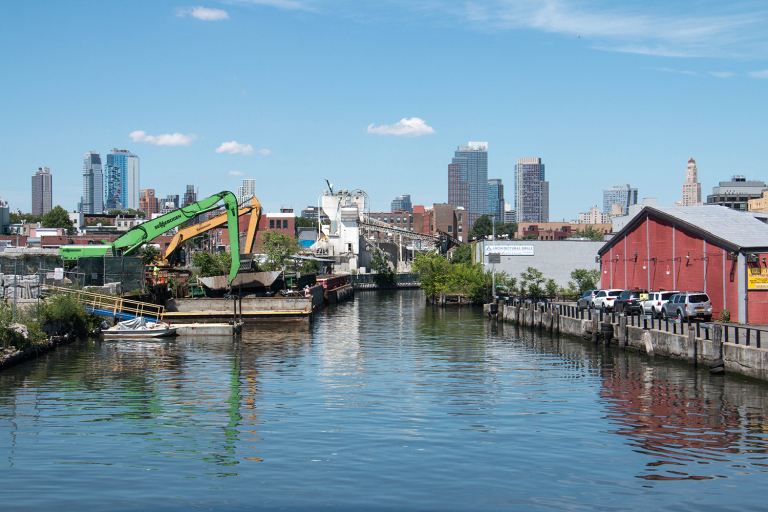
Using the Gowanus neighborhood in Brooklyn as a case study, the report used neighborhood-specific climate data to suggest urban design strategies that reduces the impacts of extreme heat, flooding and sea-level rise in the area.
The analysis was produced by a partnership between ULI New York, the New York Institute of Technology (NYIT) and the Urban Climate Change Research Network (UCCRN). It builds on previous efforts on behalf of NYIT graduate students, and many neighborhood groups, to design a future for Gowanus that they say meets the needs of the community and anticipates its future.
Gowanus has been in the midst of a rezoning process since 2016, which, if passed, would introduce a wave of residential and commercial development. Currently, Gowanus is surrounded by industrial and last-mile freight areas, and includes a federally designated Superfund site around the Gowanus Canal, which is in the midst of an ongoing cleanup.
READ MORE


Recent Comments