
Brief
Recycled materials, including plastic, could provide the softness needed in pavements to make them less prone to cracking. Researchers in Illinois are experimenting with a variety of softening additives for asphalt binders, which serve as the crucial glue that holds asphalt together.
Insight
The Illinois Department of Transportation is working with the Illinois Center for Transportation to develop more “sustainable pavement practices,” which includes ways to incorporate more recycled materials such as plastic into asphalt mixes.
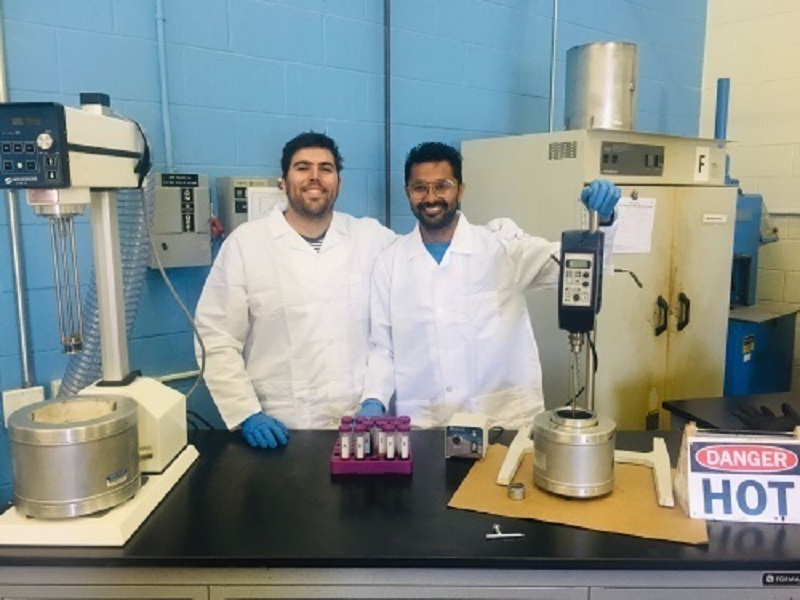
Both are working on a joint project – dubbed “R27-196-HS: Rheology-Chemical Based Procedure to Evaluate Additives/Modifiers Used in Asphalt Binders for Performance Enhancements: Phase 2” – to investigate methods to “soften” asphalt binder to reduce pavement cracking.
As recycled materials are added to hot mix asphalt, the asphalt tends to harden and become brittle, potentially leading to premature cracking, the project found.
“Asphalt binder keeps the aggregate together in the pavement just like corn syrup or sugar keeps the granola together in granola bars,” noted B.K. Sharma, senior research engineer at Prairie Research Institute’s Illinois Sustainable Technology Center, in a blog post. “It’s a gluing material that keeps the aggregate together for a very long period of time.”
His team is adding different “modifiers” or softening additives to asphalt binders to improve long-term pavement performance. After examining the mechanical and chemical properties of the modified binders, the research team proposed testing protocol and thresholds for different performance indicators to ensure desired pavement performance and validated them with field samples.
“The protocol and thresholds suggested from this work are unique and ones that have been highly sought after nationally,” explained Kelly Morse, Illinois DOT’s chief chemist, who is working on this project with Sharma.
READ MORE


Recent Comments