

The standard approach to identifying structural deficiencies in bridge decks is decidedly low tech.
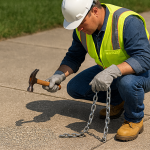
The time-intensive “sounding” process requires ground crews to drag a chain across the surface of the road to listen for hollow-sounding fluctuations and watch for vibrations.Often requiring road closures for days or weeks at a time, the technique creates headaches and hazards for motorists, road workers and inspectors.
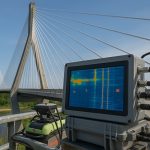
Two companies aim to bring the bridge inspection process into the 21st century with a new system that employs drones, artificial intelligence and algorithms to quickly spot defects and problems. The creators of the patent-pending methodology estimate it can help transportation projects slash up to 70% in man hours compared to traditional methods, in less than half the time.


Recent Comments