
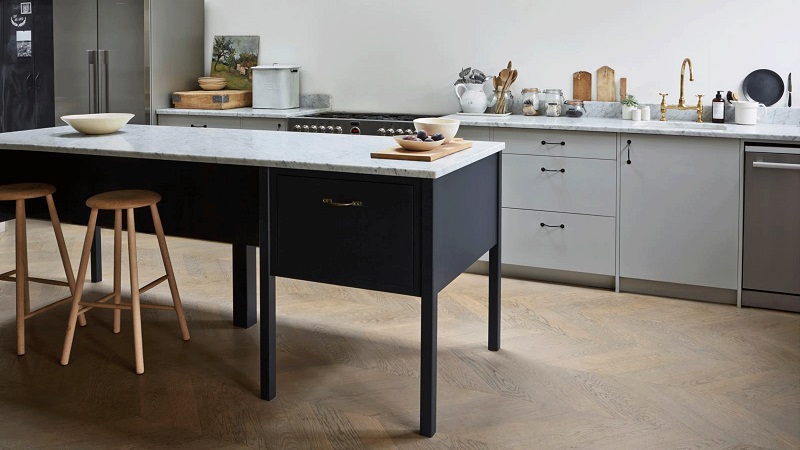
Brief
Engineered wood flooring looks good, is sustainable and cheaper than solid wood so here’s the expert guide on using it in your home.
Insight
Engineered wood flooring is a very popular choice for a number of reasons. Not only does it add warmth and character to a space, it is also extremely durable and has timeless appeal.
It’s no surprise then that in recent years engineered wood flooring has been the obvious go-to when it comes to floor types, especially compared with natural wood flooring which can come with a host of drawbacks, like being damaged by water and humidity.
An engineered wood floor is a real hardwood floor — unlike laminate, vinyl, LVT, and other floor trends. It has many benefits over solid wood floors which is why they have become so popular in recent years. Solid wood floors can’t usually be installed over underfloor heating and aren’t recommended for use in areas that may get damp.
Engineered wood floors should also not be confused with a “real wood veneer” floor, which is where the wear layer of the floor is only 1mm or less.Here, Robert Walsh, founder, and owner, luxury flooring brand Ted Todd explains everything you need to know about engineered wood flooring.
1.Think about technical practicalities as well as how the floor looks
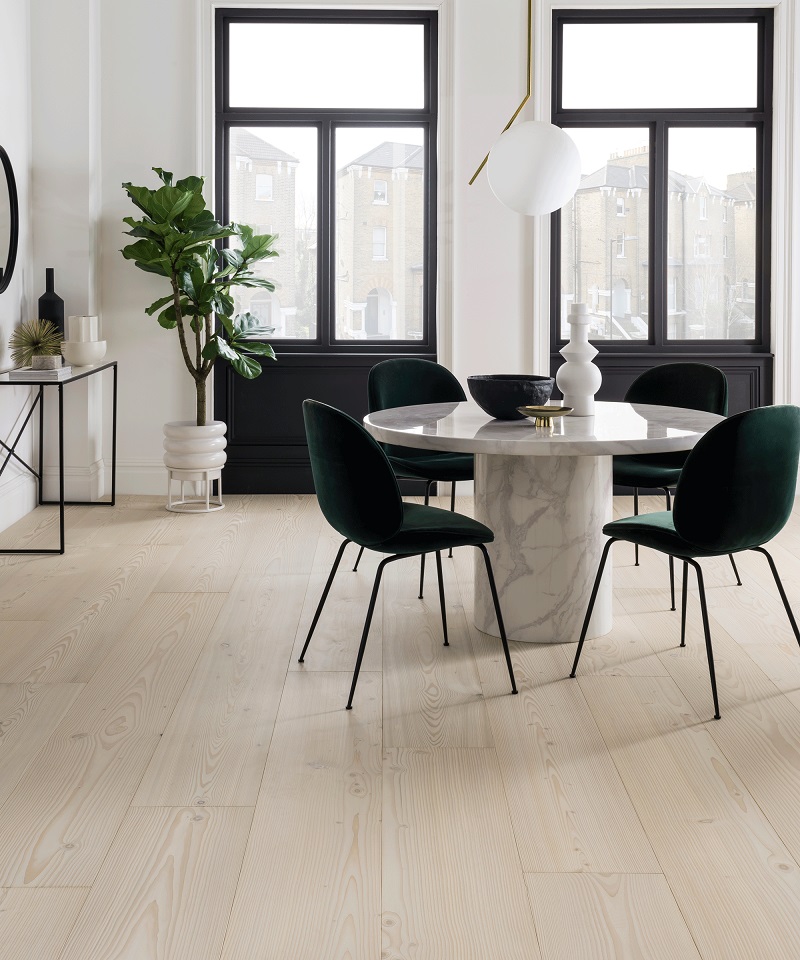
There are important questions to ask yourself before installing engineered wood flooring. These questions include: where will the floor be fitted, will it be installed over underfloor heating, will it be installed next to other floor coverings such as tile, and how will this impact the thickness that is needed?
‘A 20mm floor with a 6mm wear layer is the absolute best you can buy,’ says Robert. ‘It means that it can be sanded several times over the years, meaning the floor will last for decades. Our 20mm floors come with a 25-year guarantee, as we’re so confident in the quality and construction of them.’


Recent Comments