
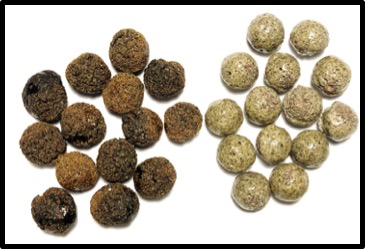
Coal ash is the less notorious byproduct of coal-fired power plants. It’s the residual solid waste that comes from burning coal.
While it doesn’t have the same deleterious reputation of its airborne counterparts, tens of millions of tons of ash does end up in landfills each year. Now researchers from Drexel University believe they have found a use for the powdery residue — one that could help make concrete more durable and crack-free.
Recently reported in the journal Cement and Concrete Composites, their discovery is a method for turning waste ash into a special concrete additive that helps to fortify its internal structure by promoting a uniform hardening process from the inside out.
This additive — a high-performing, functional aggregate — could shorten the time it takes for concrete to harden and improve its durability by lowering the potential for crack formation, according to the researchers.Concrete is made from a mixture of fine powder and coarse rock particles, called aggregates, bonded by a mineral glue called a “cementing matrix,” made of cement and water.
The aggregates form the strong internal structure of the concrete as the cementing matrix hardens to bind the ingredients together in a process called curing. For concrete to reach its maximum durability, the cement must mix thoroughly with water during the curing process so it all dries — and cures — at the same time.
READ MORE


Recent Comments