
LEADERSHIP & MANAGEMENT
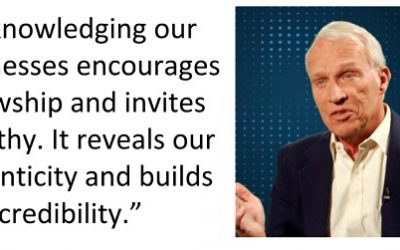
People See Your Flaws, so Embrace and Heal Them
Brief People around you know your flaws, and admitting to them shows welcoming vulnerability and is the first step toward reducing their negative impact on your life, writes Bob Vanourek. "Revealing our weaknesses allows true friends and colleagues to share the...

5 Ways Office Politics can be a Good Thing
Brief Whether you're liked, trusted and respected in the workplace affects how far you can advance and how much influence you can have, writes Steve McIntosh, founder of CareerPoint. McIntosh offers five ways to constructively play office politics and increase your...

Speak Clearly and Simply to Help People Understand you
Brief Don't assume everyone understands the meaning of the industry-specific jargon you're using, especially because many people won't admit that they're confused, writes John Millen. Regularly checking in for comprehension "opens the door for real questions,...

Advice on Investing in Yourself as a leader
Brief Leaders must discover their personal motivations, move past self-imposed limitations and focus more on the present than on aspirations, according to advice from CEO coach Marshall Goldsmith. "If we are ready to invest ourselves in becoming our better selves --...

Negativity in the Office? You could be the Source
Brief Negativity in the workplace can be a source of burnout and attrition if not handled by leaders, who need to check if they could be the source of gossip or even "toxic positivity" that sweeps problems under the rug, writes Britney Cole. "You can flip this...

6 Ways Leaders can Recognize Reticent Team Members
Brief Leaders can mitigate the impact of "impostor syndrome" -- especially among women and those in low-power positions on their team -- by publicly recognizing their skills and accomplishments and mentoring them, writes Rita McGrath. Companies lose out when...

3 Distinctions that Help Leaders Manage Conflict
Brief Workplace conflict can be exacerbated when leaders aren't helping people grow, focus on process instead of results and write people off, writes Marlene Chism. She walks through three distinctions that help leaders gain understanding so they can fix bad...
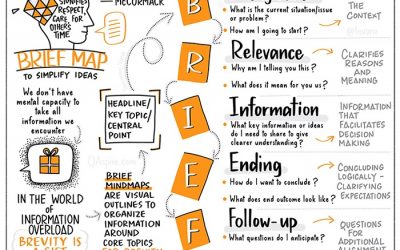
5 Steps to Brief and Effective Communication
Brief Communication can be brief and effective when you clearly define the subject matter, explain why it's relevant, give key ideas and desired outcomes, and invite questions, writes Tanmay Vora. "Thinking about some of these aspects and having my thoughts written...

When You Get Angry, It’s Time for a Reframe
Brief Adam Grant tries to process critical or even insulting feedback by understanding what makes him angry, such as his fears of being incompetent or irrelevant. Anger is a warning sign of feeling at risk, but if the critic doesn't have a stake in your life, "why am...